
What Is a CT Pulmonary Angiogram?
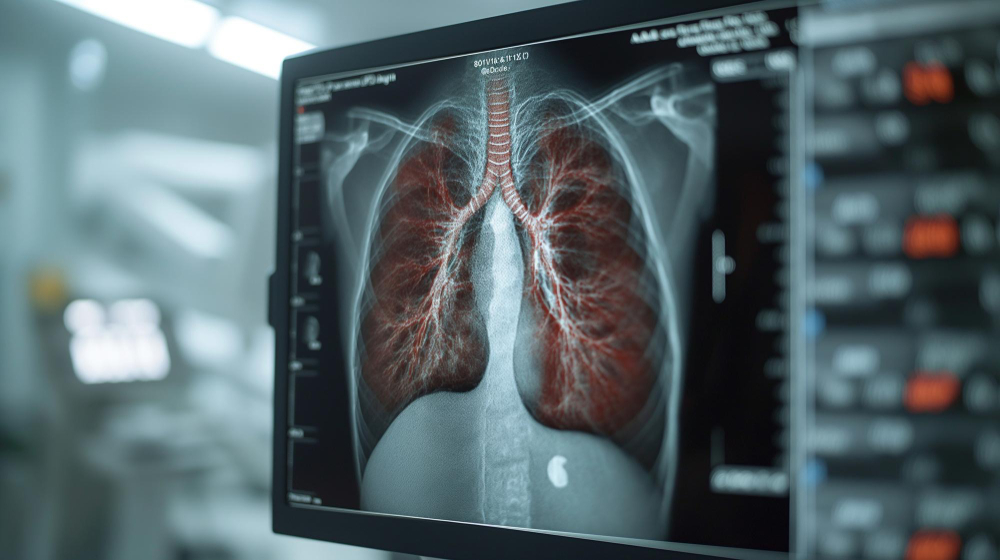
A CT pulmonary angiogram is a special type of CT scan for lungs. Doctors use it to look at the blood vessels in your lungs. Often, this test helps find blood clots, which can cause a problem called pulmonary embolism. Because the scan is quick and detailed, it helps doctors make fast and safe decisions about your care.
Common Reasons for a CT Pulmonary Angiogram
Doctors may order a CT pulmonary angiogram for several reasons. For example, if you have sudden chest pain or trouble breathing, this scan can help. It is often used to check for:
Sometimes, doctors use this scan to check for other lung problems, too.
How the Procedure Works
During a CT pulmonary angiogram, you lie on a table that slides into a CT scanner. First, a nurse or technician places a small needle in your arm. Then, they inject a special dye called contrast. This dye helps show your lung blood vessels clearly on the scan. As the scan begins, the machine takes many pictures in a few seconds. Because the scanner moves quickly, the test is usually over in less than 10 minutes.
Preparation Steps for Patients
Before your CT pulmonary angiogram, your doctor will give you instructions. Usually, you should:
Sometimes, you may need to stop certain medicines. Always check with your healthcare team first.
What to Expect During and After the Scan
When you arrive, a staff member will explain the process. Next, you may change into a gown. After the IV is placed, you will lie on the scanner table. As the dye goes in, you might feel a warm or cool sensation. The staff will ask you to hold your breath for a few seconds during the scan. Because the scan is fast, you will not need to stay long. Afterward, you can usually return to normal activities. However, drinking water helps flush the dye from your body.
Risks and Safety Information
CT pulmonary angiograms are safe for most people. Still, there are some risks. For example, you might have a mild reaction to the dye, such as itching or a rash. Rarely, people have more serious reactions, like trouble breathing. If you have kidney problems, the dye can sometimes affect your kidneys. Radiation from the scan is low, but doctors only order the test when needed. Always tell your doctor about any health concerns before the scan.
How Results Are Interpreted
After your scan, a radiologist looks at the images. This doctor is trained to read CT scans for lungs and blood vessels. They check for signs of blood clots or other problems. Then, they send a report to your doctor. Your doctor will talk with you about the results and next steps. Sometimes, more tests are needed, but often the CT pulmonary angiogram gives clear answers.
Frequently Asked Questions
For more details, you can visit trusted sites like the CDC or the World Health Organization.
Conclusion
If you have questions about your CT pulmonary angiogram or need guidance, our team at Clarivue Scan Pvt Ltd is here to help. Schedule a consultation today to discuss your concerns and get clear answers.